The project aimed to develop a more cohesive digital solution for employees at Tjønnås and Norvald. Through discovery work conducted together with the general manager, we identified clear challenges related to inefficient systems, weak internal communication, and limited access to training resources. This established a well-defined need: a unified employee portal that simplifies daily tasks and creates a more structured work experience.
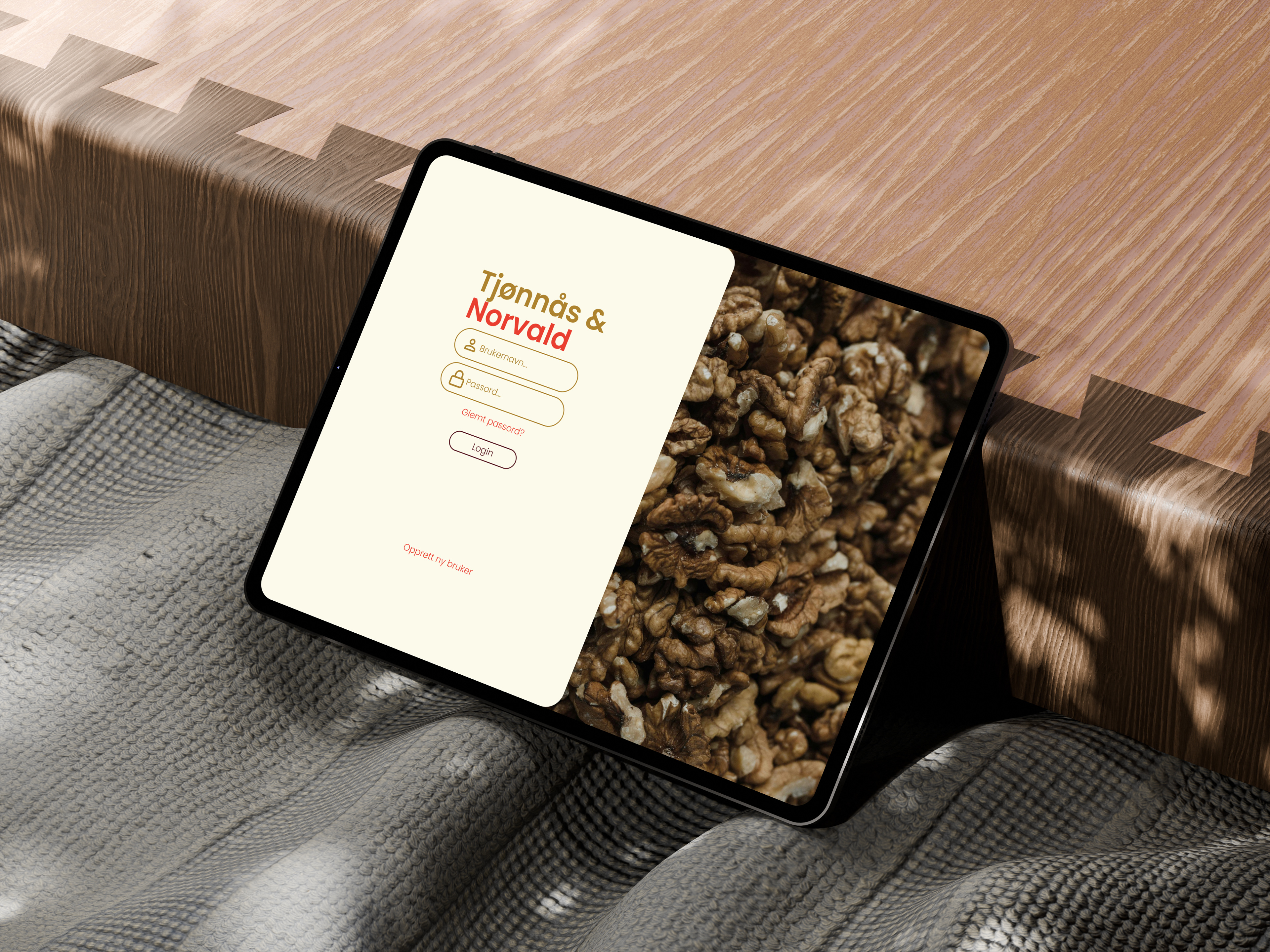
Based on these insights, we developed personas and user scenarios that clearly illustrated the core difficulties employees face. This made it possible to focus the design on the most critical functions, such as shift scheduling, training, and operational routines. We then worked systematically with a sitemap, wireframes, and prototypes to ensure strong user flow and a solution that genuinely supports everyday work processes. In the high-fidelity prototypes, we emphasized clear information architecture, simple navigation, and a visual expression aligned with the organization.
The result was a well-developed concept demonstrating how a unified employee portal can reduce administrative workload, strengthen training practices, and create a more predictable workday. The process highlights strengths in user insight, structured design methodology, and the development of solutions that deliver real user value.
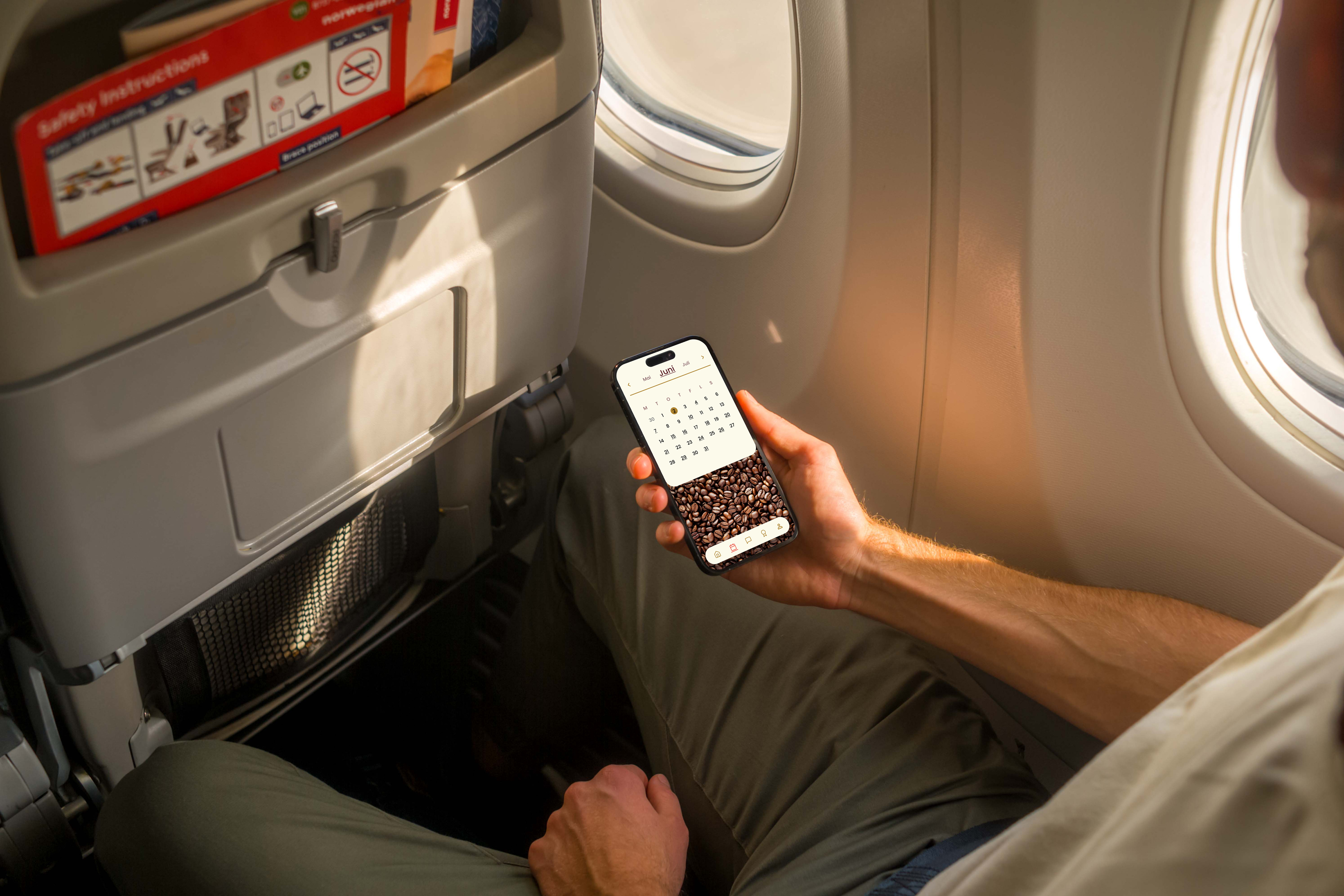
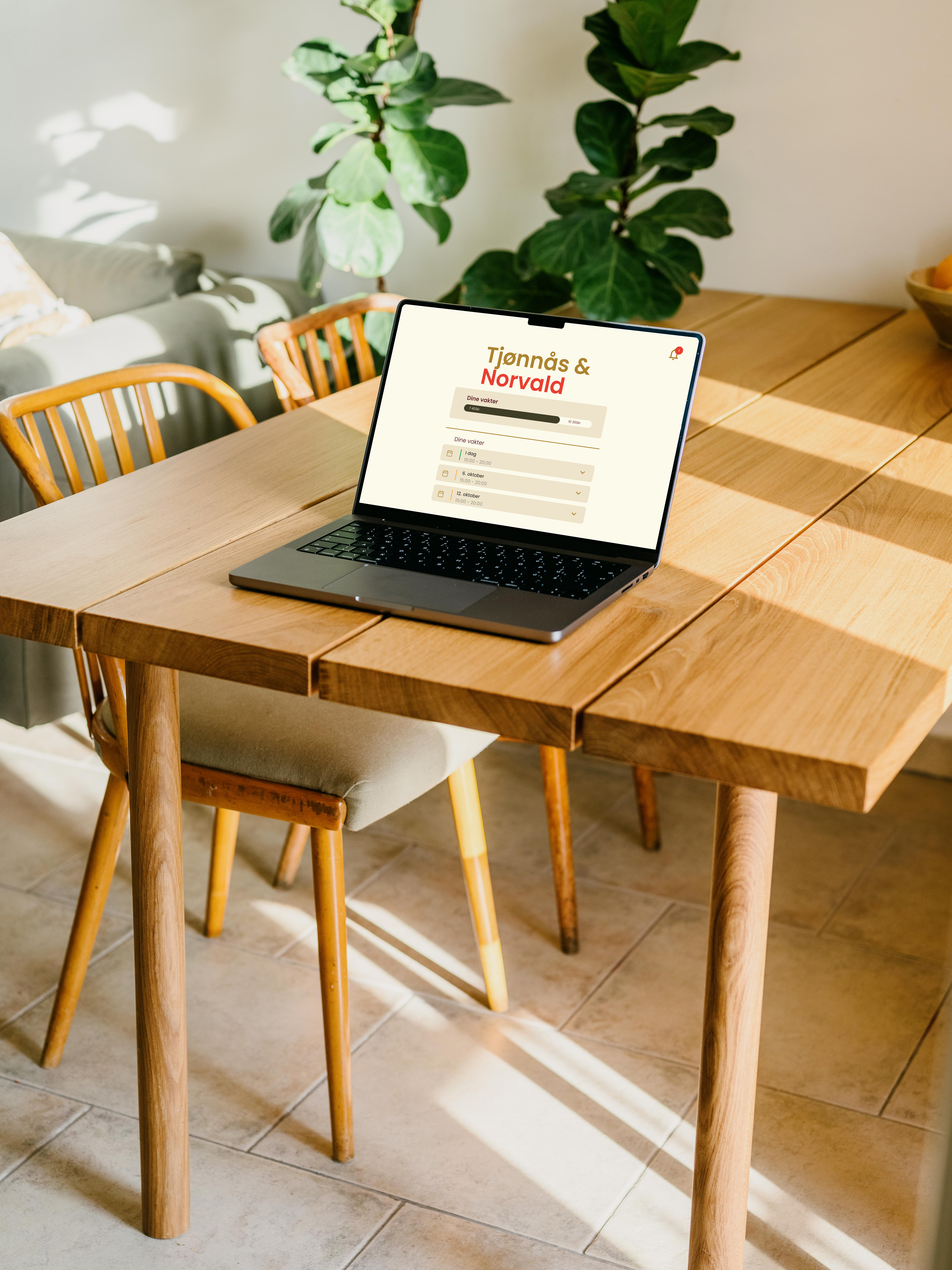
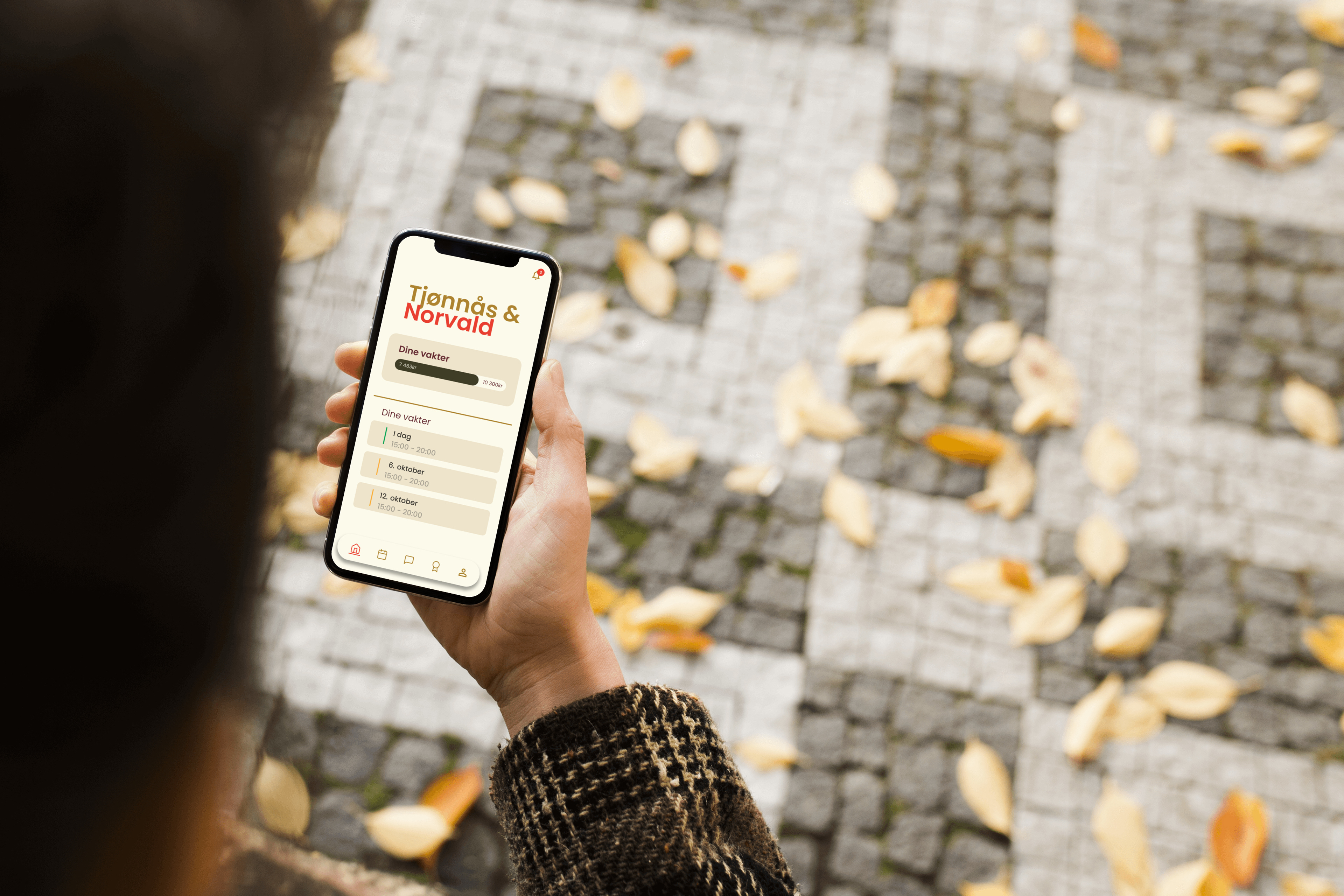
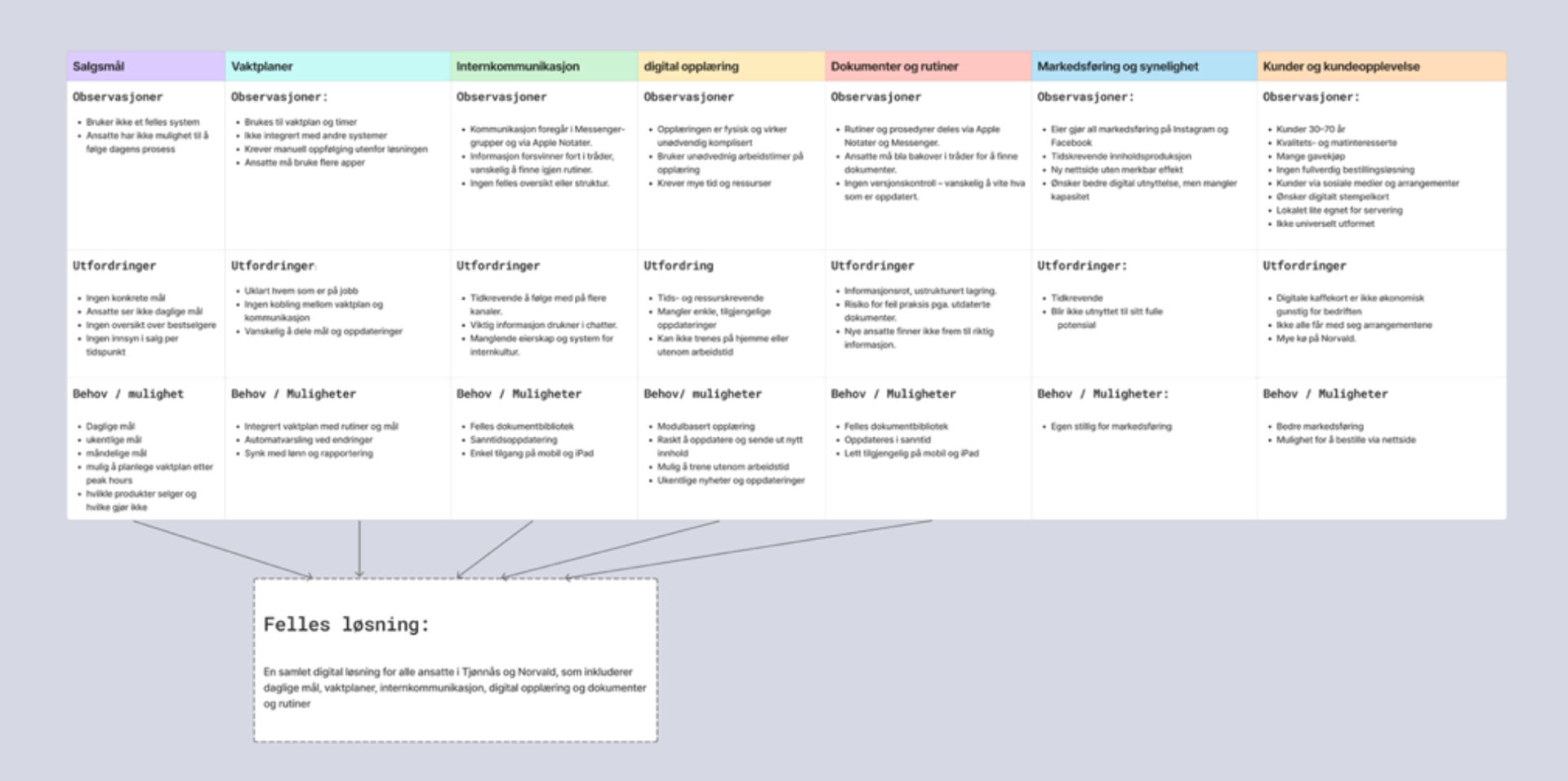
The preparatory phase of the project focused on building a solid insight base before starting visual design. We began with a semi-structured interview with the general manager, supported by prior desk research and a clearly defined interview guide. Roles were assigned within the team to ensure good data capture and a focused session. The findings revealed fragmented systems, inefficient communication, and limited access to training resources.
We then structured the insights using affinity mapping, grouping key observations into themes such as shift planning, communication, training, and routines. Based on this, we developed personas and scenarios to highlight core employee needs and guide functional priorities.
Next, we created a sitemap to define page structure and navigation logic. This was followed by low-fidelity wireframes for mobile and tablet or desktop, where we explored layout, user flow, and feature placement. Concepts were iterated through internal reviews before moving on to high-fidelity prototypes.